For years, the plan for bringing broadband to rural and low-income communities has been the same: wait for fiber. Crews lay cable mile by mile, build out from the cities, and eventually reach the last homes on the map. For many American households, that wait still hasn’t ended.
Figgers Communication, Inc. takes a different approach. Instead of waiting for last-mile cable construction, Figgers uses wireless connectivity to help communities get online sooner.
Running fiber to sparsely populated areas is expensive and slow. Construction, permitting, and long distances between homes all drive up costs and push back timelines. The households at the end of the line are often the last to be connected.
At the same time, many families are under more pressure to afford internet service. The federal Affordable Connectivity Program (ACP), which helped more than 23 million households, ended on June 1, 2024, when its funding ran out (via FCC). It has not been restored as a federally funded monthly broadband discount.
For families who relied on the ACP, affordable connectivity is now an even more urgent concern.
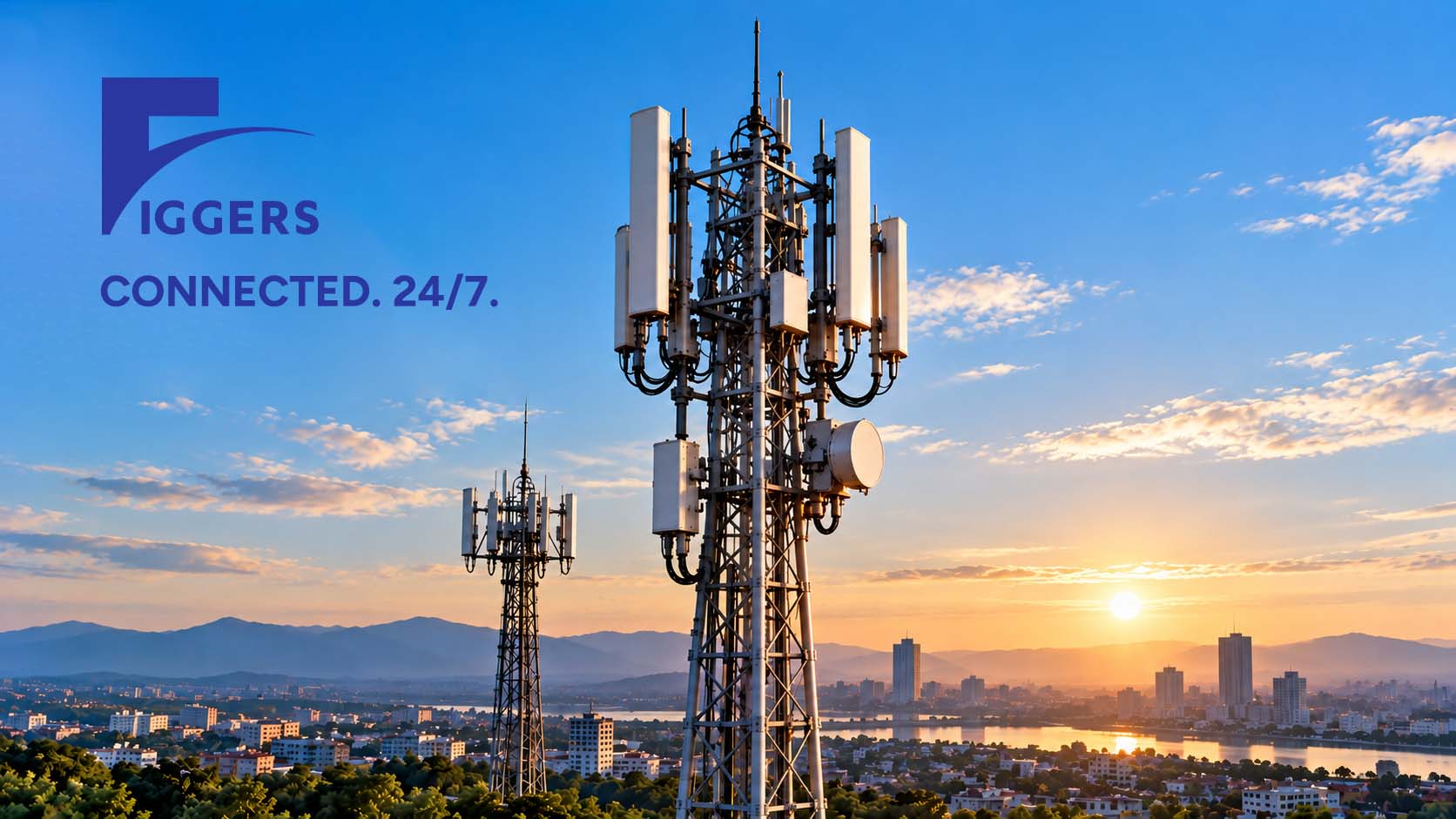
Figgers Small Cell technology is designed to extend wireless coverage without building fiber to every endpoint. It uses a distributed network of small-cell nodes that can be installed on existing utility poles, rooftops, or customer premises and configured for LTE or 5G connectivity.
Figgers designs this network as a resilient wireless mesh, so traffic can reroute if a node goes down. Actual coverage, installation time, redundancy, and performance depend on network design, available backhaul, spectrum, and local conditions.
This approach is well suited to:
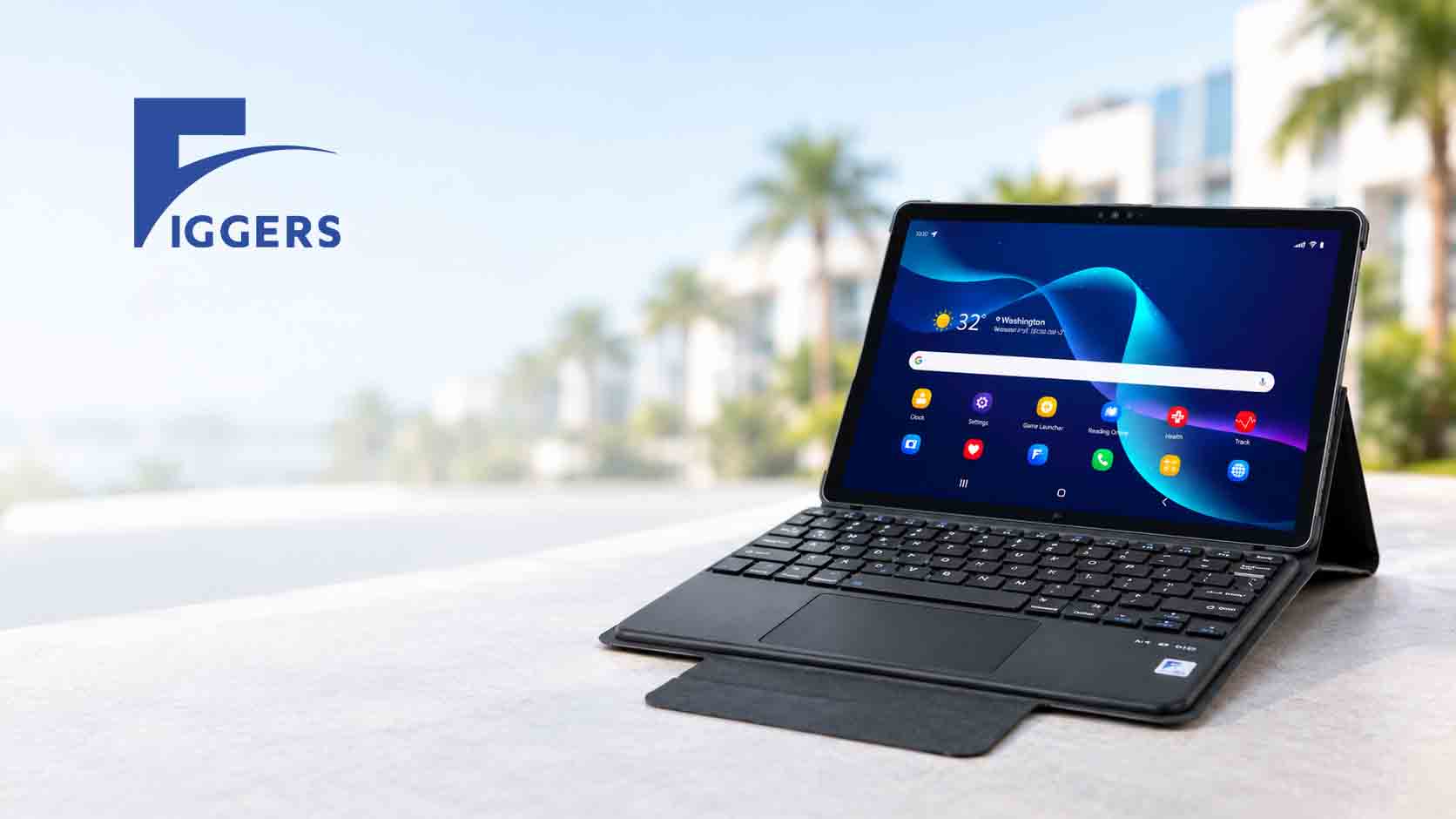
The Figgers Home Internet Modem brings wireless internet into homes and businesses. It supports multiple connected devices and covers up to 3,500 square feet under suitable conditions.
For customers on compatible Figgers service, the modem is available with a pre-activated 5G SIM. Before purchasing, customers should confirm device compatibility, service availability, activation requirements, and local coverage.
Schools, municipalities, and nonprofits planning large-scale deployments can contact Figgers to discuss their needs, including device management and provisioning options.
The ACP has ended, but the federal Lifeline program is still available to eligible consumers.
Lifeline is administered by the Universal Service Administrative Company (USAC) under FCC oversight. It offers a monthly discount of up to $9.25 on qualifying phone or internet service. Eligible residents of qualifying Tribal lands may receive up to $34.25 per month, as per USAC Lifeline overview and Enhanced Tribal Benefit.
Households generally qualify in one of two ways:
Consumers must enroll through the official Lifeline process with a participating provider (USAC eligibility requirements) Before enrolling, confirm that your provider participates in Lifeline and that your selected service qualifies.
Fiber remains an important part of America’s broadband infrastructure, especially for high-capacity links and dense urban areas. But closing the digital divide takes more than one technology. Wireless fills the gaps where last-mile construction is too slow or too costly.
With Small Cell technology and the Figgers Home Internet Modem, Figgers gives communities another path to faster deployment and broader access. Every deployment depends on verified coverage, capacity, reliability, pricing, and installation requirements.
Communities get flexible wireless coverage, a modem built for simple setup, and a team ready to help them plan.
Get started today with Figgers Communication. First, explore Figgers 5G Home Internet, mobile plans, and business services. Then check coverage and device compatibility at your address. Next, call Figgers’ U.S.-based support team at 1-800-223-5435 or email Customer.Service@Figgers.com with any questions about residential service or institutional deployments.